
By Kay Luckett
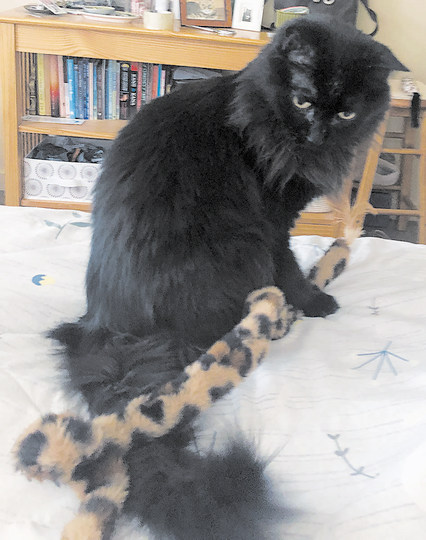
At last, we have arrived: it’s Summertime. Woo Hoo! Barbecues, sunshine, swimming, hiking, vacationing, no school, and yes, gifts from Kitty Kitty. Life is full of surprises.
Sometimes these gifts are just obvious clumps while others are disguised in…. undesirable things. These are commonly found under our shoe or glopped onto one of our bare feet in the dark. In either case, while daily grooming and hairball formulas abound, I’ve yet to find a permanent cure for a long-haired, senior black cat named Shadow: gorgeous, graceful, and giver of many gifts.
Cats bring a variety of gifts to us such as mice, birds, lizards, and… you name it, we’ve seen ‘em all. The hairball gift, however, is unique in that it is homemade and delivered in unusual ways during hot months. But what causes these dignified, cuddly sweethearts to give them and how can they be prevented?
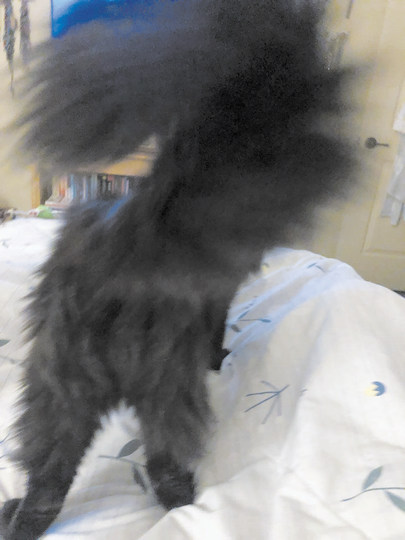
Hairballs are mostly caused by shedding, and as the cat grooms, soft hairs are swallowed. Kitty instinctively knows what to do to prevent those hairs from leaving her stomach, and so come the retching, gagging, yucky sounds that broadcast, “I’m coughing up hairballs.” This prevents intestinal blockage and damage.
It’s important to prevent constipation from the ingestion of these tiny hairs that kitty swallows when licking and grooming. Grooming kitty every day during the season is essential—even more so for long-haired cats. In addition to grooming, you can give your cat specific commercial remedies designed to lubricate the digestive system. These come as gels, pastes, or tasteless powders, and you can find them in pet stores.
In addition to the problem of hairballs, I can’t stop Shadow from howling each night, somewhere between midnight and 5:30 a.m. Howling can be a product of boredom, which can happen with indoor cats. It can also be caused by a lack of exercise, not enough playtime, loneliness, and possibly from discomfort caused by illness or pain. If your cat is howling or meowing, you should take kitty to be checked by your vet.
When Shadow arrived, she spent five weeks hiding in the dark. But once she finally surfaced, she totally embraced my heart and soul. These howls came early on after trust was established. Many times, she comes to get me up and then wants no food, no play, but just a bit of petting. I obediently comply.
Midnight howling can be alarming and disruptive at first, but I’ve come to discover how this needs to be addressed. When the howling began, I used to howl with Shadow, thinking that we were communicating. Later, the vet informed me that what I was doing was encouraging the behavior. So I stopped. Now, I just listen to see if it stops. If it doesn’t, I get up to feed her or invite her to come cuddle with me.
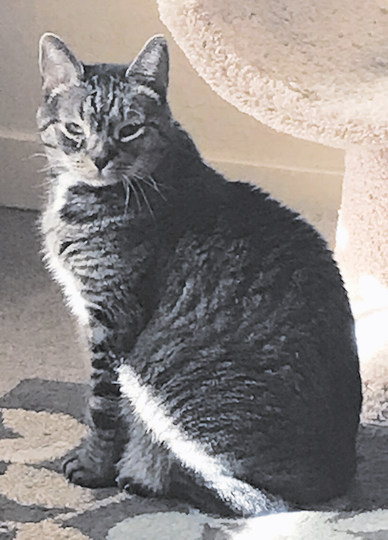
During Shadow’s vet examination, some senior concerns cropped up: kidney function, digestive issues, and minor eye irritations. These are being addressed medicinally, but even so her annoying behavior continues. With much angst and constant investigation, we finally discovered another cause of the howling: this six-pound senior is constantly hungry. I’m grateful that this was a problem I could handle at once.
I tackled the hunger issue, and here’s a trick I learned: cover and store several snacks so they’re available to be handed out after I stagger into the kitchen during morning twilight.
Constipation pain is another issue we’re addressing with a healthy diet and some pet-store concoctions. Shadow and I play together with her toys, and along with grooming, petting, and cooing, we enjoy sharing constant loving behaviors. Some cats just need constant care.
Anyone adopting a cat should know about the trick of the CCCs: Constant Care, Complete Commitment, and Compassion.
Most rescues, including Shadow, have been saved for a reason. These reasons vary, but most rescues have some separation anxiety, fear, and/or trauma. Being sensitive to our sentient feline companions is the most loving gift we can bring to them day-in and day-out, holidays included.
You can think of a clingy as a special-needs cat because the crying or craving for attention is a real need, not just for humans, but for domesticated animals, too. Cats who have moved, lost their routines, or experienced the loss of a mate or their human are deeply affected. And since most cats need routine, these changes—including being moved or boarded in a shelter—can cause a number of agitating behaviors.
It’s necessary to love a cat in spite of certain behaviors. Loving a cat means that you are willing to provide a quiet and stable environment. You give them daily attention through playtime, regular grooming, healthy foods, and finding ways to keep your cat alert and stimulated.
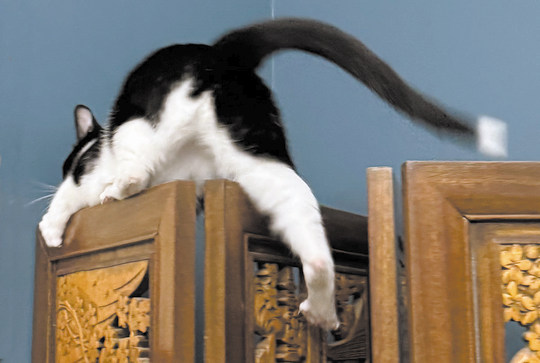
Since life is busy, in addition to playtimes you can also consider adopting another cat for a companion, purchasing interactive cat toys, or perhaps even hiring a cat-sitter from time to time. Our cats thrive in a predictable, safe environment with calm voices, low media-sounds, and a consistent routine.
Kitty seeks love and affection, just as humans do, and cat people know this. Cat lovers have learned some basic spiritual lessons from our fur-angels. Patience, tolerance, acceptance, and being of service are some of these important life lessons taught by kitties everywhere. These are a few of the ingredients on how to nurture a happy, contented cat.
Meow.
