
By Heidi Dahms Foster
Losing a beloved pet is one of the most heartbreaking things in life. The grief is often harder because we only have our pets for a finite time, compared to the love we share with them.
One social media post stated, “It’s been two weeks since I lost my dog, and I’m still a wreck. I can’t stop crying every day. My heart is shattered, and everything reminds me of him. I feel guilty. I can’t even bring myself to wash his bed. I still sniff it every day, just trying to feel close to him.
“How do you cope when the pain just keeps getting worse?”
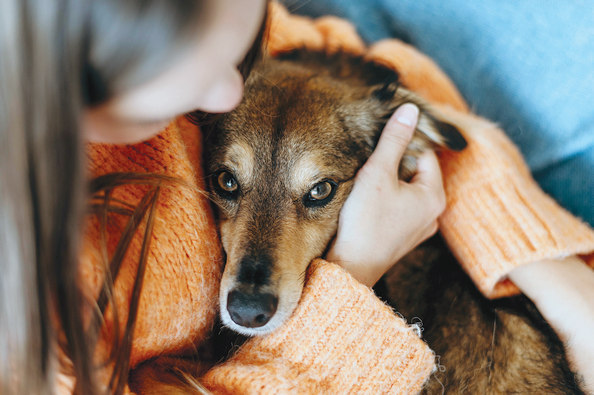
Another person, after the loss of the elderly dog she had raised from an eight-week-old pup, could not bring herself to pick up the toys scattered throughout the house. After several months, her husband quietly packed them away. The wall where her dog had laid in the hallway still carries the smudge she left there.
Losing an old pet that has been part of the family for many years is hard enough, but losing a young pet to illness or accident feels like robbery, and there are always feelings of missing what could have been.
Guilt over any loss of a pet is a normal feeling—we wonder if we did enough, if there was something we missed, or if there was a way to avoid an accident or illness.
There are many ways to help cope with the grief of loss of a pet, and every person and family grieves differently. Some who lose a much-loved pet never bring another into their home. Others find peace in giving another animal a loving home.
Allow Time and Space to Grieve
Grief springs unpleasant surprises—you might find yourself weeping at a sudden memory, or experiencing sudden times of deep mourning. The sight of a familiar dog bowl, the empty space on your bed at night, or looking down to the place your pet always was next to you, can bring on times of grief.
It’s important to give yourself grace—don’t worry about getting over the loss, savor the memories. Take time to look at old photos, talk with friends or family who knew your pet, and try to remember the good and funny times. Every pet is unique, and over time the memories can help ease the grief.
Consider Another Pet
While some people say they could never bring another pet into their home after a loss, it’s good to remember that your beloved family pet can never be replaced, and you shouldn’t try. But there is always another animal that needs love and care. Another pet can fill your life again—not ever in the same way, but in a different, meaningful way.
How long people grieve after the loss of a pet is completely individual and different for everyone. Some people might want another animal in their life right away. That desire is not disrespecting the love they shared with the pet that has died.
You never replace a loved pet. Adopting another pet will not change the past you shared with the pet that has passed on. If you adopt a new pet, you’ll build a new relationship and still remember the joy and love you shared with your previous pet. You’ll also be giving another deserving animal a loving home.
Before making a decision to bring another pet into your home, consider other family members and pets. It’s a decision everyone in the family should make together. Pets can grieve other pets, but may welcome another furry family member.
Volunteer or Foster
If you aren’t ready to bring another pet into your home, consider volunteering where you can be around other animals. Humane societies and rescues always welcome volunteers who can spend time with animals and offer general help. Animals in shelters are always hunger for the love you can offer, and giving that love can help heal your heart. You can volunteer to help clean kennels, walk dogs or just spend time with them, and provide other support.
Do Something Meaningful to Remember Your Pet
There are so many ways to honor a beloved pet. Many people have their pet cremated and keep the ashes in a special place at home or scatter them in a meaningful place, such as under a tree you’ve planted. Many veterinarians offer pawprints that you can keep to remember your pet.
You might consider a donation to a rescue or humane society in your pet’s name, or donate to a veterinarian to help another pet lover with bills or end of life care they can’t afford.
A shadowbox can hold your pet’s favorite collar and tags, along with a favorite toy and photo, to make a beautiful memory for your home. A photo or scrapbook can celebrate the best times you spent with your pet.
You might consider a special paver or stone for your garden, or plant a special garden as a memorial. You can commission a painting, sculpture or other artwork to remember your pet.
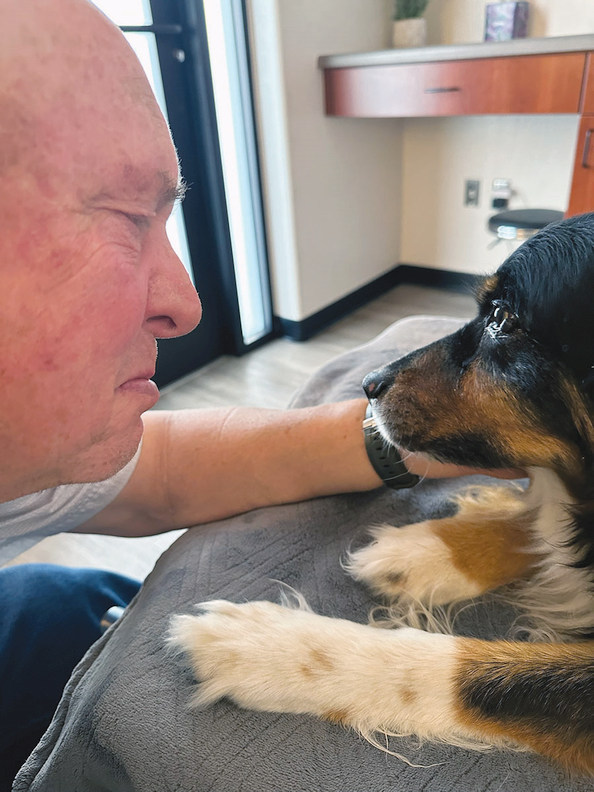
One of the most meaningful memories I treasure is a photo I took the day we had to say goodbye to our fourteen-year-old Australian Shepherd, Lili. My husband was saying his last goodbyes, and Lili, though clearly ready to go, lifted her head and looked straight into his eyes.
It’s a hard time to think of taking a photo, but I cherish that memory of the connection between them.
Saying goodbye to a pet who has been a beloved part of your life is one of life’s hardest experiences.
We never have them long enough. Cherish every moment and be sure to take a lot of photos—todays’ phones make it easier to keep and treasure the memories along the way.
Some good advice from another social media post: “Feel the feelings, cry, remember the happy times, make an album of photographs, treat yourself kindly. You were a fabulous pet parent, and you will be again.”
