
By Heidi Dahms Foster
Holidays are for spending time with loved ones and making memories, but one thing sure to wreck your enjoyment is a trip to the emergency vet hospital, or worse, the death of a beloved pet. Holidays carry more opportunities for sickness or injury to your dogs and cats than any other time. With a little care, you can keep your furry friends safe during the festivities.
Holiday Foods
So many of the things we love during the holidays can cause harm to our pets.
Xylitol: Sugar-free candies and peanut butter are great for those who cannot tolerate sugar, but alternative sweeteners can be deadly to your pets. The sweetener Xylitol, used in many sugar-free items such as gum, mints, candies and even peanut butter, can cause severe low blood sugar in pets within minutes, presenting with weakness, lethargy, liver failure, coma and possibly death.
It’s important to read labels and make sure no xylitol containing items are left within reach of pets. Xylitol is also listed as birch sugar on labels.
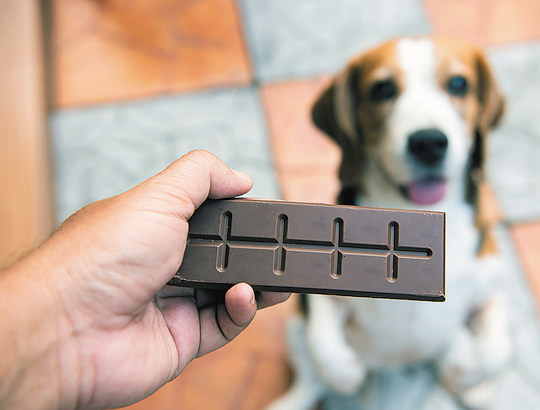
Chocolates are another holiday food that dogs and cats may find attractive. The theobromine, methylxanthines and caffeine in chocolates can cause stomach upsets in small doses and seizures and heart arrhythmias in large amounts.
It’s hard to not treat your pet with holiday goodies from the table, but fatty foods such as ham, bacon and even chicken and turkey can result in pancreatitis, which sends many pets to the emergency vet during holidays. Nuts are a staple on holiday tables and around the house, but these high fat foods can also cause pancreatitis, and macadamia nuts in particular can bring on neurological issues.
Alcohol is quickly absorbed in your pets’ bloodstream, and can cause drops in blood sugar, body temperature and blood pressure. Watch for discarded, half emptied glasses of alcohol left unattended during holiday parties.
Left the bread rising or the cookie dough awaiting the oven in an accessible area? The yeast can cause life-threatening bloat. Watch the raisins, grapes, and currants common during the holidays. These can kidney failure in both dogs and cats.
Onions and garlic are favorite holiday flavorings, but whether raw or cooked, they can be toxic to dogs and cats. Watch for foods you might share with your pet that contain these items, such as turkey stuffing, which generally contains onions, garlic, fatty butter and other spices.
Meat bones are a holiday no-no for pets. Cooked bones can splinter when chewed, especially those from fish or poultry, and cause lacerations or blockage to your pets’ intestines. Hard, large bones from beef are generally safe, but if your dog is not used to them, they can cause digestive upset. As always, monitor your dog when they are chewing to watch for problems.
Always know what to do if your pet consumes any toxic food. The more quickly you obtain help the better your chances at a good outcome. If your dog ingests a toxic food, especially if you see any illness or other symptoms, call your veterinarian, a pet poison hotline or a vet emergency hospital immediately.
Holiday Decorations
Decorative plants such as poinsettias, mistletoe, holly, and lilies are toxic to pets and should be kept out of reach.
Christmas trees can topple over if pets, especially cats, climb and play on them. Water additives at the base of your Christmas tree can be toxic if ingested, and light cords can cause shocks or burns if chewed. Make sure your tree is well-anchored and keep your pets away from it unless supervised.
Breakable Ornaments, or those made from food-based materials, are hazardous to pets. Keep ornaments out of reach of pets. Tinsel and ribbons are especially harmful as they can cause choking or intestinal blockage. Candles should be kept out of reach of pets and children, as a fire can easily result if they are knocked over.
Potpourris can leave a wonderful scent in your home, but can be dangerous to your pets as most contain essential oils and other ingredients that can damage your dog or cat’s mouth, eyes or skin. If eaten, they can cause digestive problems.
Toys and Gifts
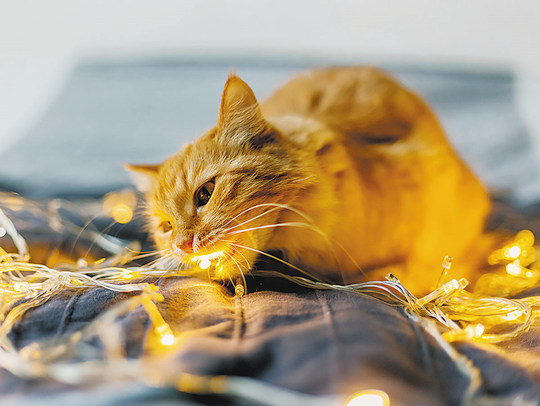
Many popular holiday gifts and toys are attractive to pets as they contain small parts that can be ingested. Batteries are a holiday gift staple and if eaten, can quickly kill your pets. Batteries contain corrosive chemicals that are particularly dangerous to pets.
Any toys that are small enough to fit inside your pet’s mouth are dangerous, such as Legos or small bouncy balls. Small stocking stuffers and other toys with small parts should be picked up and kept away from pets.
Make sure batteries are stored out of reach of pets at all times.
Holiday Guests
Do you have family or other holiday guests visiting? Make sure they have a place to store their personal items where your pet cannot reach them. Medications, beauty products and bath items can all be hazardous to your pets if ingested.
A place of quiet and rest is important for your pets. When guests are in the house, your pet can become over excited or stressed. It’s best to have a room or a crate that your dog is comfortable in and familiar with so they can rest away from all of the holiday upheaval.
Children, especially those unfamiliar to your family, can cause your pets to become stressed and nip if frightened or anxious. Avoid a bite and keep your pet calm by providing a safe place when your animal needs space. Always supervise when guests or especially small children are present during holidays. Try to keep your pets’ routines as normal as possible during holidays.
Plan Ahead
It’s always good to be prepared for holiday emergencies. Yavapai Emergency Animal Hospital at 7876 Florentine Rd. in Prescott Valley is open and staffed 24 hours a day, and can offer advice on whether your pet needs to be seen if it has ingested a toxic substance or is ill. YEAH is also a walk-in clinic for emergencies, and has a handy resource page on its website at www.yeah.vet
The Pet Poison Helpline at 855-764-7661 is another resource to get timely advice for your pet in case of emergency. There is an $89 consultation fee for this helpline.
With a little forethought and planning, your holidays can be enjoyable for you and your pets.
Resources
Yavapai Emergency Animal Hospital
7876 Florentine Rd. Prescott Valley
928-460-7282 (24 hrs, 7 days/wk)
Pet Poison Helpline
855-764-7661
